



My initial Kallmann syndrome diagnosis.
There is one day in my life I wish I had more memory of, or at least understood the consequences of that day at the time.
The day I got my Kallmann Syndrome diagnosis in 1992.
I studied an endocrinology unit while at University for my biomedical science degreee and had tried to find more information on disorders of puberty, but this was pre internet days and you had to physically find information for yourself in real books.
I started work at a hospital in London as a biomedical scientist, working in a blood transfusion lab. I knew I had an endocrine condition so one day I went up to the endocrine department to find somebody to talk to. No appointment, just one lunch time, knocked on a door.
I wish I could remember the exact details but it involved me telling this endocrine doctor my situation. The first question he asked was "did I have a sense of smell ?".
23 years of age, no doctor had asked me that before. To be fair I perhaps had not thought of telling a doctor either since it was something I rarely thought about.
That doctor was Dr Richard Quinton. At the time senior registrar to Prof Pierre Bouloux. I just happened to start work in the one hospital in the UK that had two KS specialist doctors working there. Dr Quinton had done his MD thesis at Cambridge University on Kallmann syndrome.
This led on to the formal diagnosis and treatment and more importantly perhaps, meeting my first ever fellow patient (that I knew of at least).
I perhaps could not have been at better hospital to get diagnosed for a rare endocrine condition. Getting on to 30 years later I am still in contact with Dr Quinton.
What is Kallmann syndrome ? The very basics.....
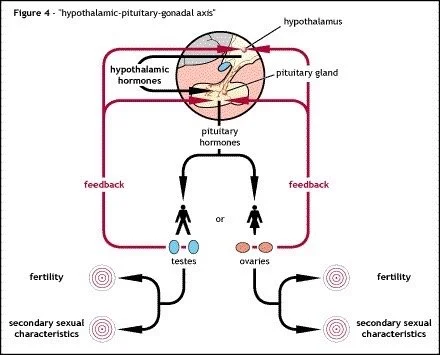
Kallmann syndrome (KS) is a form of a condition known as hypogonadotropic hypogonadism (HH). HH is a condition that causes a disruption to the normal production of hormones that control puberty and fertility.
Kallmann syndrome is a specific form of HH where the sense of smell is affected as well. People with KS will have no sense of smell or a very limited sense of smell from birth.
Apart from the sense of smell, KS is the same condition as HH.
HH is normally present from birth, where puberty is affected, or it can occur after a normal puberty when it affects fertility.
If present from birth puberty will not start correctly or fully complete. Some pubertal development will occur but not progress as normal.
The majority of people with KS / HH will be infertile.
KS / HH occurs in both males and females but is more commonly diagnosed in males.
KS / HH can occur with one or more, or none of these additional physical symptoms:
· Hearing problems
· Mirror movements of the hands
· Cleft lip / palate
· Missing teeth
· Fused fingers or toes
· Scoliosis
· Missing kidney
· Undescended testicles
Diagnosis is normally achieved by excluding other conditions that can affect puberty and fertility. There is no one single blood or genetic test that can firmly diagnose KS / HH.
Patients are sometimes labelled as "late bloomers" or "late developers" and can wait many years before receiving the correct diagnosis.
Hormone replacement therapy can produce most of the changes normally seen at puberty but will not induce fertility. Hormone replacement therapy, to replace the testosterone or oestrogen / progesterone hormones that are not being produced, is normally required lifelong.
Specialised treatments are available to help achieve fertility for both male and female patients but can be expensive and not always easy to acquire.
The genetics of KS / HH is complex and far from being totally understood. Genetic testing can help in some cases but does not always provide clear cut answers on the chances of passing on the condition.
Ovitrelle injection.
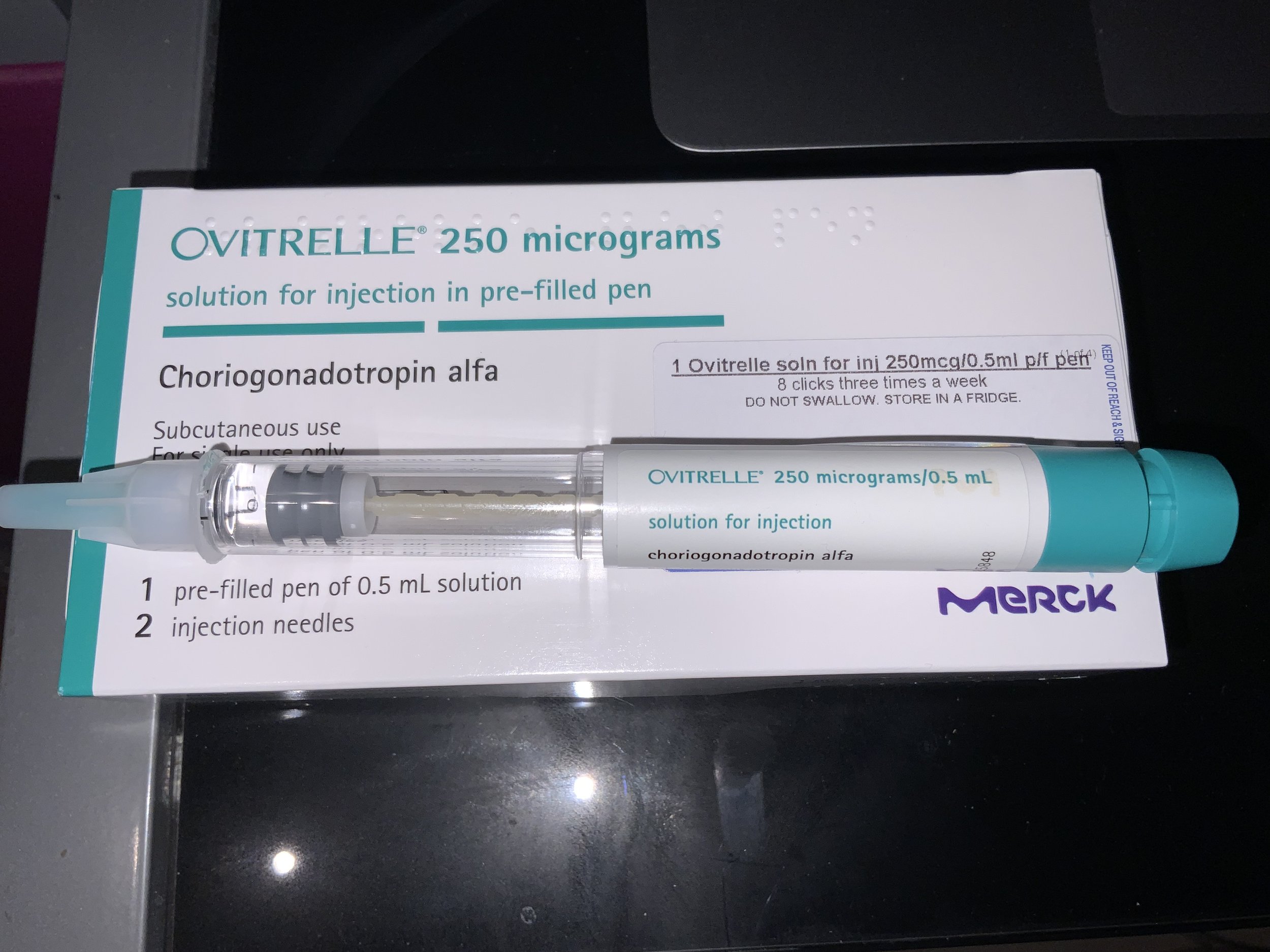
Since Pregnyl is no longer available in a lot of places I have had to switch to a different form of hCG injection.
The Ovitrelle pen is designed for female use and at 6,500 IU it is normally too high a dose for single use for males. The dose can be adjusted via the dial “clicks” to get the required dose.
The dose will be set by a health care professional depending on the testosterone level response.
hCG = human chorionic gonadotropin.
hCG is a natural hormone that mimics the activity of luteinising hormone (LH) which normally makes the testicles produce natural testosterone. LH is one of the two pituitary derived hormones that is missing in Kallmann syndrome / CHH patients.
Types of treatment for Kallmann syndrome / CHH.
Treatment for Kallmann syndrome / CHH can fall into two different types:
Hormone replacement therapy (HRT)
or
Fertility treatment - known as gonadotropin therapy.
Over the years I have been on many forms of HRT and have undertaken fertility treatment as part of clinical trials


Some treatment methods will not be available in every country.
Some treatment methods may work better than others depending on the individual and it may take some discussion with the health care professional to find the method and dose that works best.
How is Kallmann syndrome / CHH diagnosed ?
There is no gold standard single test for Kallmann syndrome / congenital hypogonadotropic hypogonadism (CHH).
Diagnosis is often made by excluding other possible conditions that could affect puberty or fertility
Standard blood tests would include:
Testosterone or oestrogen / progesterone
LH
FSH
Prolactin
SHBG
Vitamin D
Other tests could include:
MRI to examine the size and structure of the pituitary gland and check to see if olfactory bulb is present.
Smell identication test.
Wrist x-ray to determine bone age.
DEXA / DXA bone density scan.
Hearing test.
Neurological exam to check reflexes.
Genetic testing may be undertaken whch can help in some cases, especially if there is a family history of the condition but not all cases of Kallmann syndrome / CHH can be identified through genetics.
What are the major symptoms of Kallmann syndrome ?
The defining symptom of Kallmann syndrome is a lack of sense of smell (anosmia) or a reduced sense of smell.
The condition can also occur with a normal sense of smell when the condition is called hypogonadotropic hypogonadism (HH).
There are other additional symptoms that may or may not occur. Kallmann syndrome or HH show a range of symptoms and patients may not experience any of them or only one them.
Possible additional symptoms:
Hearing loss
Cleft lip / palate
Fused fingers / toes
Missing teeth
Curvature of the back (scoliosis)
Mirror movements of the hands
Missing kidney

